Buy animecrazy.eu ?
We are moving the project
animecrazy.eu .
Are you interested in purchasing the domain
animecrazy.eu ?
domain@kv-gmbh.de · 0541-91531010
Buy animecrazy.eu ?
How do non-homologous recombination and homologous recombination work?
Non-homologous recombination involves the joining of two DNA molecules at non-homologous sequences, resulting in the insertion, deletion, or rearrangement of genetic material. This process is often error-prone and can lead to mutations. Homologous recombination, on the other hand, involves the exchange of genetic material between two similar DNA molecules, typically occurring during meiosis. This process is important for repairing DNA damage and ensuring genetic diversity. It involves the exchange of genetic material between homologous chromosomes, resulting in the formation of new combinations of genes. **
What is the difference between interchromosomal recombination and intrachromosomal recombination?
Interchromosomal recombination involves the exchange of genetic material between two different chromosomes, while intrachromosomal recombination involves the exchange of genetic material within the same chromosome. Interchromosomal recombination can result in the creation of new combinations of genes from different chromosomes, leading to genetic diversity. In contrast, intrachromosomal recombination can lead to the repair of DNA damage or the creation of genetic variation within the same chromosome. Both processes are important for genetic diversity and evolution. **

Similar search terms for Recombination
Top-Angebote
Products related to Recombination:
-
Uplift Picks Mini Snowman Figurines Set Christmas Resin Garden Decor Accessories 10 PcsBring festive cheer to your tiny scenes with these adorable mini snowman figurines. Designed to capture the joy of the holiday season, each piece adds charm and personality to your decorations. Perfect for crafters and holiday lovers, this Christmas...32,98 $*Shipping: 0,00 $Secure redirect to the provider
-
Lush Living Finds Mini Owl Statue, Retro Bird Animal Figurines, Metal Brass Tea Pet Table Ornament, Home Accessories Mini Owl Statue, Retro Bird Animal Figurines, Metal Brass Tea Pet Table Ornament, Home AccessoriesAdd Charm with a Retro Touch: Elevate your home with the timeless beauty of this Mini Owl Statue. Crafted from durable metal brass, this retro bird animal figurine brings a unique, vintage flair to any space. Its intricate detailing and rich, warm...29,97 $*Shipping: 0,00 $Secure redirect to the provider
-
Shop Station Funny Cat Muscle Arms Printed Pet Accessories & Cosplay Costume Prop greenTransform your adorable feline into an instant Internet sensation with these hilariously detailed funny cat muscle arms. Specially crafted for pet lovers who want to add extra humor to their day, these lightweight 3D printed pet accessories drape...39,97 $*Shipping: 0,00 $Secure redirect to the provider
-
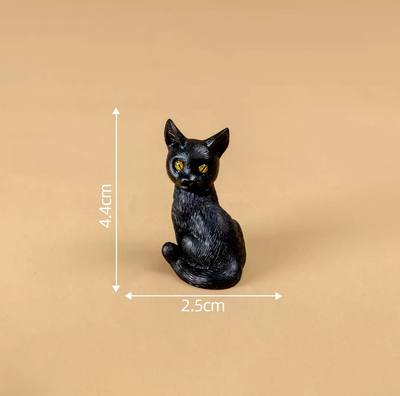
Lush Living Finds Miniature Resin Black Cat Halloween Figurines, Animals Figurines, Garden Decoration, Micro Landscape Accessories turn HeadAdd Charm to Your Garden with Mini Resin Black Cat Halloween Figures These mini resin black cat Halloween figures 2 pcs bring a touch of magic to your garden or home dcor. Crafted with intricate details, these miniature home garden decorations are...39,97 $*Shipping: 0,00 $Secure redirect to the provider


-
What is the difference between intrachromosomal recombination and interchromosomal recombination?
Intrachromosomal recombination occurs between two different regions of the same chromosome, leading to the exchange of genetic material within the same chromosome. On the other hand, interchromosomal recombination involves the exchange of genetic material between two different chromosomes. Intrachromosomal recombination can lead to the creation of genetic diversity within a single chromosome, while interchromosomal recombination can result in the exchange of genetic material between different chromosomes, leading to genetic diversity among different chromosomes. **
-
What is recombination in biology?
Recombination in biology refers to the process by which genetic material from two different sources is combined to produce a new combination of genes. This can occur through sexual reproduction, where genetic material from two parents is combined to create offspring with a unique genetic makeup. Recombination plays a crucial role in generating genetic diversity within populations, which is important for evolution and adaptation to changing environments. In organisms that reproduce sexually, recombination occurs during meiosis, where homologous chromosomes exchange genetic material through a process called crossing over. **
-
How does crossing-over influence recombination?
Crossing-over is a process during meiosis where homologous chromosomes exchange genetic material. This exchange of genetic material results in new combinations of alleles on the chromosomes, leading to genetic recombination. By shuffling genetic material between homologous chromosomes, crossing-over increases genetic diversity in offspring and can result in the creation of new combinations of traits. This process is essential for generating genetic variation within a population and plays a crucial role in evolution. **
-
What is recombination and genetic variability?
Recombination is the process by which genetic material is exchanged between two similar molecules of DNA, resulting in new combinations of genes. This process occurs during meiosis, the cell division that produces gametes (sperm and egg cells). Genetic variability refers to the diversity of genetic material within a population, which is influenced by factors such as recombination, mutations, and gene flow. Recombination plays a key role in generating genetic variability by creating new combinations of genes, which can lead to increased diversity and adaptation within a population. **

How many offspring are produced through recombination?
Recombination typically results in two offspring being produced. This is because during recombination, genetic material from two parent organisms is combined to create a new individual with a unique combination of traits. This process allows for genetic diversity and variation within a population. **
When does disproportionation occur instead of recombination?
Disproportionation occurs when a single species is both oxidized and reduced in a reaction, leading to the formation of two different products with different oxidation states. This process typically occurs when the species involved can exist in multiple oxidation states and there is no suitable reactant available for recombination. In contrast, recombination occurs when two species with different oxidation states combine to form a single product with an intermediate oxidation state. **
Top-Angebote
Products related to Recombination:
-
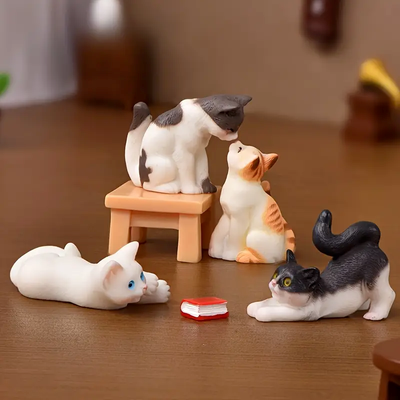
Youfap Market Resin Miniature Cat Figurines, Vintage Fairy Garden Accessories, Tabletop Craft Decor Resin Miniature Cat Figurines, Vintage Fairy Garden Accessories, Tabletop Craft DecorAdd a Touch of Whimsy to Your Space Bring your home or garden to life with these 6pcs Vintage Resin Miniature Cat Figurines. These adorable figurines are perfect for any fairy garden or as a unique tabletop craft decor piece. Their intricate design...39,97 $*Shipping: 0,00 $Secure redirect to the provider
-
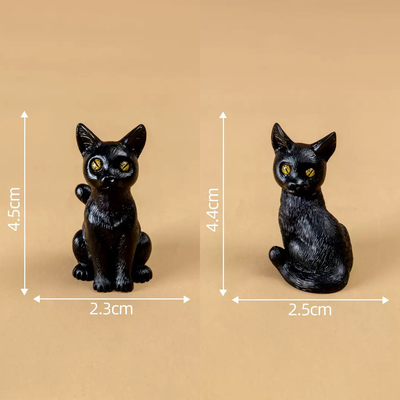
Lush Living Finds Miniature Resin Black Cat Halloween Figurines, Animals Figurines, Garden Decoration, Micro Landscape Accessories sittingAdd Charm to Your Garden with Mini Resin Black Cat Halloween Figures These mini resin black cat Halloween figures 2 pcs bring a touch of magic to your garden or home dcor. Crafted with intricate details, these miniature home garden decorations are...39,97 $*Shipping: 0,00 $Secure redirect to the provider
-
Uplift Picks Mini Snowman Figurines Set Christmas Resin Garden Decor Accessories 10 PcsBring festive cheer to your tiny scenes with these adorable mini snowman figurines. Designed to capture the joy of the holiday season, each piece adds charm and personality to your decorations. Perfect for crafters and holiday lovers, this Christmas...32,98 $*Shipping: 0,00 $Secure redirect to the provider
-
Lush Living Finds Mini Owl Statue, Retro Bird Animal Figurines, Metal Brass Tea Pet Table Ornament, Home Accessories Mini Owl Statue, Retro Bird Animal Figurines, Metal Brass Tea Pet Table Ornament, Home AccessoriesAdd Charm with a Retro Touch: Elevate your home with the timeless beauty of this Mini Owl Statue. Crafted from durable metal brass, this retro bird animal figurine brings a unique, vintage flair to any space. Its intricate detailing and rich, warm...29,97 $*Shipping: 0,00 $Secure redirect to the provider
-
How do non-homologous recombination and homologous recombination work?
Non-homologous recombination involves the joining of two DNA molecules at non-homologous sequences, resulting in the insertion, deletion, or rearrangement of genetic material. This process is often error-prone and can lead to mutations. Homologous recombination, on the other hand, involves the exchange of genetic material between two similar DNA molecules, typically occurring during meiosis. This process is important for repairing DNA damage and ensuring genetic diversity. It involves the exchange of genetic material between homologous chromosomes, resulting in the formation of new combinations of genes. **
-
What is the difference between interchromosomal recombination and intrachromosomal recombination?
Interchromosomal recombination involves the exchange of genetic material between two different chromosomes, while intrachromosomal recombination involves the exchange of genetic material within the same chromosome. Interchromosomal recombination can result in the creation of new combinations of genes from different chromosomes, leading to genetic diversity. In contrast, intrachromosomal recombination can lead to the repair of DNA damage or the creation of genetic variation within the same chromosome. Both processes are important for genetic diversity and evolution. **
-
What is the difference between intrachromosomal recombination and interchromosomal recombination?
Intrachromosomal recombination occurs between two different regions of the same chromosome, leading to the exchange of genetic material within the same chromosome. On the other hand, interchromosomal recombination involves the exchange of genetic material between two different chromosomes. Intrachromosomal recombination can lead to the creation of genetic diversity within a single chromosome, while interchromosomal recombination can result in the exchange of genetic material between different chromosomes, leading to genetic diversity among different chromosomes. **
-
What is recombination in biology?
Recombination in biology refers to the process by which genetic material from two different sources is combined to produce a new combination of genes. This can occur through sexual reproduction, where genetic material from two parents is combined to create offspring with a unique genetic makeup. Recombination plays a crucial role in generating genetic diversity within populations, which is important for evolution and adaptation to changing environments. In organisms that reproduce sexually, recombination occurs during meiosis, where homologous chromosomes exchange genetic material through a process called crossing over. **
Similar search terms for Recombination
-
Shop Station Funny Cat Muscle Arms Printed Pet Accessories & Cosplay Costume Prop greenTransform your adorable feline into an instant Internet sensation with these hilariously detailed funny cat muscle arms. Specially crafted for pet lovers who want to add extra humor to their day, these lightweight 3D printed pet accessories drape...39,97 $*Shipping: 0,00 $Secure redirect to the provider
-
Lush Living Finds Miniature Resin Black Cat Halloween Figurines, Animals Figurines, Garden Decoration, Micro Landscape Accessories turn HeadAdd Charm to Your Garden with Mini Resin Black Cat Halloween Figures These mini resin black cat Halloween figures 2 pcs bring a touch of magic to your garden or home dcor. Crafted with intricate details, these miniature home garden decorations are...39,97 $*Shipping: 0,00 $Secure redirect to the provider
-
Lush Living Finds Miniature Resin Black Cat Halloween Figurines, Animals Figurines, Garden Decoration, Micro Landscape Accessories 2 Mixed SetAdd Charm to Your Garden with Mini Resin Black Cat Halloween Figures These mini resin black cat Halloween figures 2 pcs bring a touch of magic to your garden or home dcor. Crafted with intricate details, these miniature home garden decorations are...59,97 $*Shipping: 0,00 $Secure redirect to the provider
-
Uplift Picks Mini Snowman Figurines Set Christmas Resin Garden Decor Accessories 5 PcsBring festive cheer to your tiny scenes with these adorable mini snowman figurines. Designed to capture the joy of the holiday season, each piece adds charm and personality to your decorations. Perfect for crafters and holiday lovers, this Christmas...22,98 $*Shipping: 0,00 $Secure redirect to the provider
-
How does crossing-over influence recombination?
Crossing-over is a process during meiosis where homologous chromosomes exchange genetic material. This exchange of genetic material results in new combinations of alleles on the chromosomes, leading to genetic recombination. By shuffling genetic material between homologous chromosomes, crossing-over increases genetic diversity in offspring and can result in the creation of new combinations of traits. This process is essential for generating genetic variation within a population and plays a crucial role in evolution. **
-
What is recombination and genetic variability?
Recombination is the process by which genetic material is exchanged between two similar molecules of DNA, resulting in new combinations of genes. This process occurs during meiosis, the cell division that produces gametes (sperm and egg cells). Genetic variability refers to the diversity of genetic material within a population, which is influenced by factors such as recombination, mutations, and gene flow. Recombination plays a key role in generating genetic variability by creating new combinations of genes, which can lead to increased diversity and adaptation within a population. **
-
How many offspring are produced through recombination?
Recombination typically results in two offspring being produced. This is because during recombination, genetic material from two parent organisms is combined to create a new individual with a unique combination of traits. This process allows for genetic diversity and variation within a population. **
-
When does disproportionation occur instead of recombination?
Disproportionation occurs when a single species is both oxidized and reduced in a reaction, leading to the formation of two different products with different oxidation states. This process typically occurs when the species involved can exist in multiple oxidation states and there is no suitable reactant available for recombination. In contrast, recombination occurs when two species with different oxidation states combine to form a single product with an intermediate oxidation state. **
* All prices are inclusive of VAT and, if applicable, plus shipping costs. The offer information is based on the details provided by the respective shop and is updated through automated processes. Real-time updates do not occur, so deviations can occur in individual cases. ** Note: Parts of this content were created by AI.